
In einem Wawiwa-Webinar am 21. Januar 2025 haben wir uns mit dem europäischen Fachkräftemangel im Technologiebereich befasst und aufgezeigt, wie sich niedrige Geburtenraten auf die Zahl der Studierenden und der Arbeitskräfte auswirken und wie die Anwerbung internationaler Studierender dazu beitragen kann, gefragte Stellen im Technologiebereich zu besetzen. Wir diskutierten über Umschulung, Höherqualifizierung und die Rolle der Beschäftigungsfähigkeit bei der Studentenmobilität und gaben praktische Tipps für Regierungen, Universitäten und Ausbildungszentren, um internationale Studenten anzuziehen und zu halten.
Sehen Sie sich jetzt die Aufzeichnung des Webinars an!
Die Redner

Dr. Janet Ilieva, Gründerin und Direktorin von Education Insight
Janet ist Wirtschaftswissenschaftlerin mit 20 Jahren internationaler Erfahrung in der Bildungsforschung und politischen Analyse, spezialisiert auf globale Studentenmobilität und transnationale Bildung. Ihre evidenzbasierte Forschung liefert Strategien für Regierungen, Universitäten und internationale Organisationen und beeinflusst die Politik, die die globale Hochschullandschaft prägt.

Lucas Cepero, Gründer und Direktor des Internationalen Rates für Bildung (ICEDU)
Lucas ist auf internationale Bildung spezialisiert und arbeitet mit Institutionen zusammen, um grenzüberschreitende Partnerschaften zu fördern, den Bildungszugang zu verbessern und die Talententwicklung zu unterstützen. Lucas setzt sich für die Entwicklung von Strategien ein, die internationale Studierende anziehen und den sich wandelnden Anforderungen der Arbeitskräfte gerecht werden.

Leah Mansoor, VP Geschäftsentwicklung bei Wawiwa Tech
Leah verfügt über mehr als 15 Jahre Erfahrung in der globalen Geschäftsentwicklung und in der Leitung internationaler Unternehmen. Sie hat den Aufbau neuer Geschäftseinheiten geleitet, strategische Partnerschaften aufgebaut und Marktstrategien verfeinert. Leahs Leidenschaft gilt der Förderung der kulturübergreifenden Zusammenarbeit und dem internationalen Wachstum in Bildung und Wirtschaft.
Dr. Janet Ilieva, Gründerin und Direktorin von Education Insight
Janet ist Wirtschaftswissenschaftlerin mit 20 Jahren internationaler Erfahrung in der Bildungsforschung und politischen Analyse, spezialisiert auf globale Studentenmobilität und transnationale Bildung. Ihre evidenzbasierte Forschung liefert Strategien für Regierungen, Universitäten und internationale Organisationen und beeinflusst die Politik, die die globale Hochschullandschaft prägt.
Lucas Cepero, Gründer und Direktor des Internationalen Rates für Bildung (ICEDU)
Lucas ist auf internationale Bildung spezialisiert und arbeitet mit Institutionen zusammen, um grenzüberschreitende Partnerschaften zu fördern, den Bildungszugang zu verbessern und die Talententwicklung zu unterstützen. Lucas setzt sich für die Entwicklung von Strategien ein, die internationale Studierende anziehen und den sich wandelnden Anforderungen der Arbeitskräfte gerecht werden.
Leah Mansoor, VP Geschäftsentwicklung bei Wawiwa Tech
Leah verfügt über mehr als 15 Jahre Erfahrung in der globalen Geschäftsentwicklung und in der Leitung internationaler Unternehmen. Sie hat den Aufbau neuer Geschäftseinheiten geleitet, strategische Partnerschaften aufgebaut und Marktstrategien verfeinert. Leahs Leidenschaft gilt der Förderung der kulturübergreifenden Zusammenarbeit und dem internationalen Wachstum in Bildung und Wirtschaft.
Die Auswirkungen der niedrigen Geburtenrate auf die Zahl der Studenten und der Arbeitskräfte in Europa
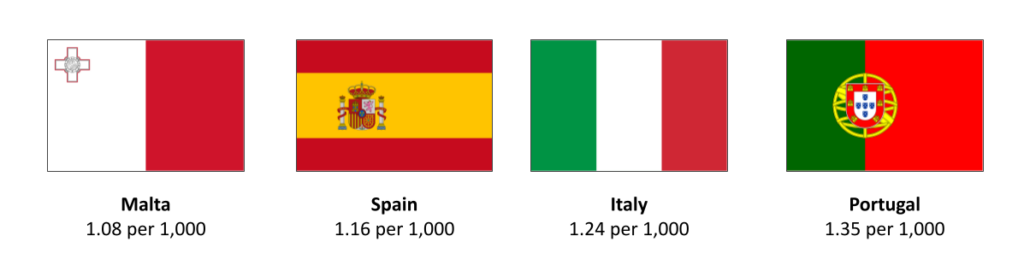
Europa ist mit einem demografischen Rückgang konfrontiert, da die Geburtenraten niedriger sind, als für eine stabile Bevölkerung erforderlich wäre. Dieser Trend hat unmittelbare Auswirkungen auf die Zahl der Studierenden und damit auch auf die Zahl der Talente, die dem Arbeitsmarkt zur Verfügung stehen. Die durchschnittliche Geburtenrate in Europa liegt bei 9 pro 1.000 Menschen, was einem Rückgang von 6% im Jahr 2022 entspricht. Um die Bevölkerung eines Landes zu erhalten, sind 12-13 Geburten pro 1.000 Einwohner erforderlich. Im Folgenden finden Sie einige Beispiele für europäische Länder mit extrem niedrigen Geburtenraten.
Dr. Janet Ilieva, betonte, dass dieser Rückgang sowohl die Hochschulen als auch den Arbeitsmarkt betrifft: "Betrachtet man die Daten der Vereinten Nationen zu den 18-Jährigen - denjenigen, die sich wahrscheinlich an einer Universität einschreiben werden -, so zeigt sich, dass der Rückgang in den großen europäischen Volkswirtschaften wahrscheinlich anhalten wird." Janet wies darauf hin, dass abgesehen von der Türkei und Russland kein europäisches Land unter den Top 20 der Weltrangliste in Bezug auf die Zahl der 18-Jährigen rangiert, was deutlich macht, dass Europa über seine Grenzen hinaus schauen muss, um seine Arbeitskräfte zu erhalten.
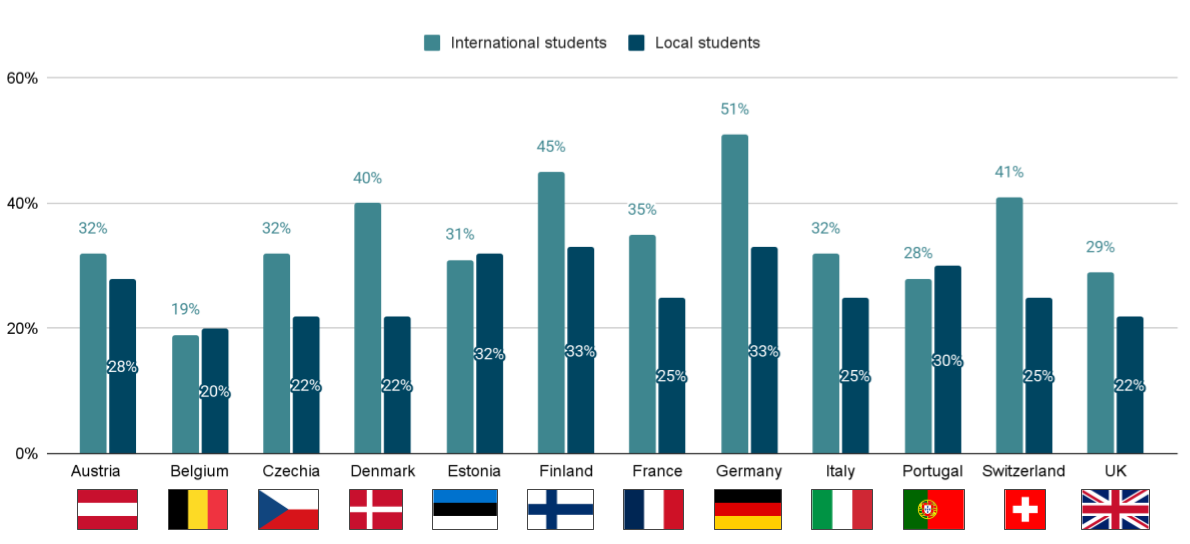
Darüber hinaus ist die rückläufige Zahl der Studienanfänger in den MINT-Fächern ein zentrales Problem. In einigen europäischen Ländern, weniger als 30% der Studenten studieren MINT-Fächer, während diese Zahl in außereuropäischen Ländern wie China fast 50% erreicht. Die Podiumsteilnehmer erörterten, dass weniger Studierende in MINT-Fächern zum Mangel an technischen Fachkräften in Europa beitragen, was die Dringlichkeit der Anwerbung internationaler Studierender unterstreicht. Den Daten zufolge ist die Wahrscheinlichkeit, dass internationale Studierende ein MINT-Studium absolvieren, größer als bei einheimischen Studierenden.
Umschulung und Höherqualifizierung im technischen Bereich: Ein dringender Bedarf
Die Aufnahme internationaler Studenten ist zwar ein Teil der Lösung, aber auch die Umschulung und Höherqualifizierung der vorhandenen Arbeitskräfte auf technische Berufe und Fähigkeiten ist wichtig. Da sich die Technologie rasant weiterentwickelt, sind die Kenntnisse vieler Fachleute veraltet, und es gibt immer noch nicht genügend Möglichkeiten für strukturierte Schulungsprogramme, um mit den Anforderungen der Branche Schritt zu halten.
Leah Mansoor betonte die Bedeutung der ständigen Weiterbildung: "Man kann nicht nur auf Neuankömmlinge oder jüngere Studenten setzen, um die Talentlücke im Technologiebereich zu schließen - man muss sich die vorhandenen Arbeitskräfte ansehen und überlegen, wie sie angemessen ausgebildet werden können und in den Arbeitsmarkt der Technologie passen." Leah hob hervor, dass europäische Unternehmen Programmen zur Umschulung und Höherqualifizierung im technischen Bereich Vorrang einräumen müssen, um ihren Mitarbeitern zu helfen, ihre Fähigkeiten zu erhalten.
Die Diskussionsteilnehmer wiesen darauf hin, dass Migration und Arbeitskräftemobilität innerhalb der EU eine Rolle bei der Verfügbarkeit von Talenten im Technologiebereich spielen. Da Fachkräfte in besser bezahlte Länder abwandern oder Europa wegen besserer Chancen in Ländern wie den USA verlassen, ist es umso wichtiger, in technische Ausbildungsprogramme zu investieren, die Fachkräften helfen, sich an die sich schnell verändernde digitale Landschaft anzupassen.
Beschäftigungsfähigkeit als Schlüsselfaktor für die Mobilität von Studenten
Eine der stärksten Motivationen für internationale Studierende, im Ausland zu studieren, ist die Aussicht auf Beschäftigungsmöglichkeiten. Hochschuleinrichtungen, die gute Arbeitsmöglichkeiten nach dem Studium bieten, ziehen tendenziell mehr internationale Studierende an, da sie bei der Wahl ihres Studienortes den Berufsaussichten Vorrang einräumen.
Dr. Janet Ilieva wies auf den Einfluss der Beschäftigungsfähigkeit auf die Entscheidungen der Studierenden hin: "Arbeitsmöglichkeiten nach dem Studium sind ein wichtiger Faktor. In Ländern wie dem Vereinigten Königreich stagnierte die Nachfrage nach internationalen Studenten, als sie die Arbeitsvisa für die Zeit nach dem Studium abschafften, doch nach deren Wiedereinführung stieg die Nachfrage sprunghaft an. Sie betonte, dass Studierende nach Programmen suchen, die nicht nur eine qualitativ hochwertige Ausbildung bieten, sondern auch klare Wege in die Arbeitswelt aufzeigen.
Länder, die es internationalen Studenten ermöglichen, nach dem Studium Berufserfahrung zu sammeln, werden eine größere Chance haben, diese Talente zu halten und den Mangel an Talenten zu beheben. Die europäischen Länder, die die meisten Tech-Talente aufnehmen, werden im Zeitalter der Digitalisierung und KI die stärksten Volkswirtschaften haben.
Praktische Tipps für Universitäten und Ausbildungszentren zur Gewinnung internationaler Studenten
Um internationale Studierende anzuziehen und zu halten, müssen sich Universitäten und Ausbildungszentren an die sich verändernde Bildungslandschaft anpassen. Das Webinar vermittelte wertvolle Erkenntnisse darüber, was Bildungseinrichtungen tun können, um für internationale Talente attraktiver zu werden.
- Flexible Lernoptionen ausbauen: Die Einrichtungen sollten mehrere Studienanfänge über das ganze Jahr verteilt in Betracht ziehen, anstatt am traditionellen Start im September festzuhalten. Modulares Lernen, Blended Education und Mikrokredite können ein breiteres Spektrum von Studierenden ansprechen.
- Stärkung der Industriepartnerschaften: Die Zusammenarbeit zwischen Universitäten und Technologieunternehmen gewährleistet, dass die Programme den Bedürfnissen des Marktes entsprechen. Lucas Cepero betonte, "Wenn wir nicht mit der Industrie kommunizieren, laufen wir Gefahr, Studenten für Berufe auszubilden, die es nicht mehr gibt." Praktische, auf die Branche abgestimmte Programme können helfen, diese Lücke zu schließen.
- Bessere Arbeitsmöglichkeiten für Studenten: Regierungen und Institutionen müssen dafür sorgen, dass internationale Studierende Zugang zu Praktika, Co-op-Programmen und Arbeitsgenehmigungen nach dem Studium haben. Deutschland hat Schritte unternommen, um die Visaprozesse für Talente aus der Technologiebranche zu vereinfachen, und ist damit ein gutes Beispiel für andere europäische Länder. Kanada tut dasselbe in Nordamerika.
- Verbesserung der Unterstützungsdienste für internationale Studierende: Neben der akademischen Ausbildung sollten sich die Einrichtungen auf die Bereitstellung von erschwinglichem Wohnraum, Visa-Unterstützung und Berufsberatung konzentrieren, um ihr Land zu einem attraktiveren Ziel für Studenten zu machen, die sich eine Zukunft in der Technologiebranche aufbauen wollen.