How can AI help the education ecosystem? What could AI in learning management systems possibly entail? The possibilities are endless, and some of them invented by machines…
Recent years have demonstrated a push for automation and artificial intelligence to make our lives easier, speed up services, and reduce human error. As expected, the field of education is also integrating AI in various areas, with many benefits realized and more awaiting.
It is expected that by 2024, 47% of all learning management platforms will contain AI capabilities.
What Exactly is AI and Machine Learning
AI is a large umbrella term that involves programming machines, robots, and devices to handle tasks typically done with human intelligence. For example, self-driving cars and chess-playing programs are a product of AI.
Within AI is machine learning, a concentration that involves feeding patterns and past data to “teach” machines how to do certain tasks, and even to learn from experience so that new, unexpected capabilities are uncovered.
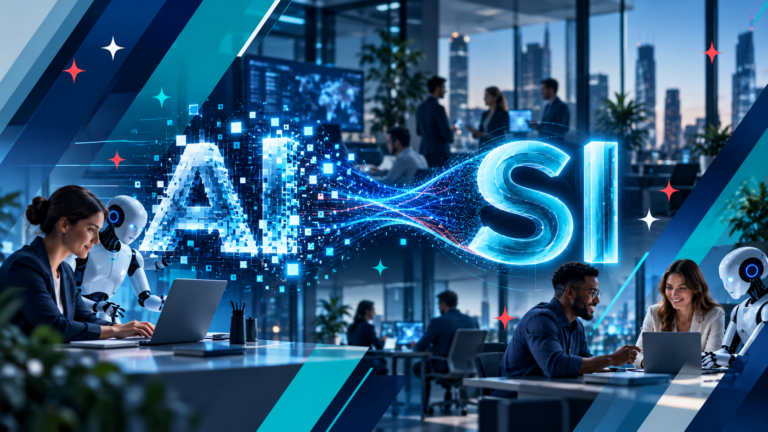
Together, AI and machine learning are changing the educational landscape!
An Education Personalized to You
Let’s make one thing clear: AI is not intended to replace teachers and tutors. Effective education by humans still requires hands-on learning and some human interaction. Instead, AI enhances the learning experience.
One of the top benefits of educational AI is personalization. Every single student is unique, learning and retaining information in different ways. Some move faster than others on specific subjects. If a teacher has 30 students, keeping up with every student’s learning journey is difficult.
AI helps prioritize student success through data from attendance, engagement, tests, and assignments. Analyzing the pieces, learning management systems can adapt for a student’s unique learning patterns, detect difficult concepts, and customize the learning plans and homework so they address the student’s learning needs.
Such personalized learning experiences makes students feel heard and supported, all without saying a word. Everything is done automatically.
After School Help
The superheroes we call teachers do quite a lot for the benefit of their students! However, they cannot work 24/7. AI is there to help alleviate teacher workloads and help students after hours.
Chat bots specifically created for education are the next best alternative to getting direct, after-school help. Pre-programming bots to answer frequently asked questions not only saves the time and energy of educators, but also allows students to get immediate help anytime.
Notable examples include iTalk2Learn, an AI platform invented in Europe for elementary school students. Developers feed transcripts and learning plans to the platform, which in turn, produces answers to commonly asked questions.
Crafting Alternative Teaching and Learning Experiences
AI also helps educators with mundane tasks. Certain tasks like grading tests, proctoring exams, and crafting learning plans, can now be automated. Educators are administering AI software such as CopyLeaks and Gradescope to detect plagiarism, expedite grading, and assess student growth.
Connect McGraw Hill, an educational platform used by more than 4 million US students, is a great example of AI-incorporated education. Through the platform, students begin with introductory assignments that target strengths and weaknesses on a subject. They are also met with immediate grading, textbook sections that clarify why a student’s answer is correct or incorrect, and access to unlimited practice problems.
A Brighter Future for Education
From simplifying grading to creating learning plans specifically catered to each student, AI is making education more versatile and accessible to all.
However, as we continue automating more educational processes, we must remain cognizant of the downsides, including the expensive nature of AI and loss of jobs for educators.
Moving forward, the education and technology sectors should focus specifically on striking the balance. By doing so, the process of learning and teaching will change for the better.