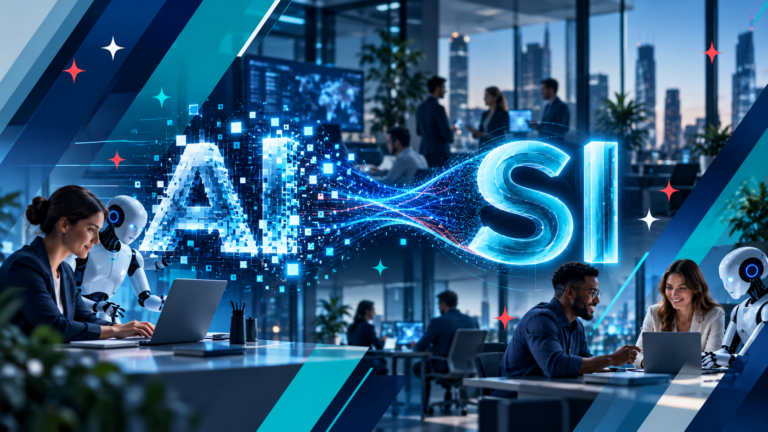
AI is changing how companies hire, promote, and compete – and many colleges are struggling to keep up.
Across the U.S., employers are no longer impressed by credentials alone. They’re looking for graduates who can step into a role and contribute immediately. The gap between what students learn and what the job market demands is becoming harder to ignore.
Leading institutions are already shifting to skills-first models, redesigning programs around job roles instead of academic disciplines.
Others are still following traditional models and risk sending graduates into a market that has already moved on.
This blog discusses how U.S. colleges can build AI and tech career pathways that align with employer needs and lead to employability.
The Need for AI and Tech Skills
Across the U.S., employers are struggling to find talent that can actually do the job. 72% of employers report difficulty finding qualified candidates. This is clearly a hiring issue, but also a signal that education and workforce needs are out of sync.
Roles in software development, data, cybersecurity, and AI are growing fast, but too many graduates lack the practical, job-level skills and tools employers expect. Companies are hiring for execution. At Google, for example, hiring decisions are no longer driven primarily by where someone studied, but by what they can actually do. Employers want candidates who can work with new tools, collaborate with AI, and deliver results from day one.
This gap is where many traditional programs fall short. Curricula often move slower than they should, with limited focus on hands-on practice, industry tools, or job scenarios. As a result, students graduate with credentials, but without the confidence or capability to step directly into a role – while employers continue searching for talent they can’t find. That’s why more community colleges are starting to rethink how they design their programs.
Offer Students Short-Term, Flexible AI and Tech Programs
One of the biggest shifts in education is how programs are structured. Employers need talent faster, and many students are not willing to spend years studying without a clear path to a job. That’s why short-term AI and tech programs are essential. Colleges that don’t offer them will struggle to stay relevant.
These programs focus on job-ready skills in months and are built around job roles. Instead of theory-heavy learning, they prioritize hands-on practice, tools, and practical experience – so graduates can contribute from day one.
But speed alone isn’t enough. The impact comes from how these programs are designed and delivered.
Flexible, Stackable Pathways that Work for Learners
More institutions are moving toward stackable pathways – meaning students can start small and build over time. Instead of committing to a long program upfront, they can complete short courses, earn credentials, and continue advancing when they’re ready.
This approach opens the door to multiple formats:
- Credit and non-credit models: Programs can be part of a degree or offered as standalone training, making them accessible to both traditional students and working professionals.
- Microcredentials: Short, focused certifications that validate specific, in-demand skills – something employers value.
- Short-term delivery: Programs that run for weeks or months, aligning better with how quickly the workforce evolves.
- Workforce Pell opportunities: Short-term programs that may qualify for federal funding, helping more students access career-focused education.
You Don’t Have to Build AI and Tech Programs Alone: Partner to Deliver Job-Ready Programs
Building AI and tech programs that lead to jobs can feel overwhelming – especially when the market is moving so fast. The good news is: you don’t have to start from scratch.
More colleges are partnering with educational franchisers and global training providers to bring in proven programs that are aligned with employer needs. Instead of spending years designing curricula, testing formats, and updating content, institutions can adopt frameworks that are already built for skills-based learning and hiring – and adapt them to their local market.
These programs are designed to fit naturally into your existing ecosystem. They can integrate into degrees, certificates, and stackable credential pathways, or be offered as standalone bootcamps and short-term training. This flexibility allows institutions to expand their offerings quickly, without disrupting what already works.
A Proven Partner: Bringing AI and Tech Training to Your College
As colleges rethink how to align education with job outcomes, many are turning to partners with proven experience in building industry-relevant programs. This is where Wawiwa comes in.
Wawiwa supports colleges and training centers across the U.S. – and around the world – with education solutions built for the AI era. As a global tech education provider, Wawiwa offers AI-proof reskilling programs and upskilling courses designed to match industry trends and employer needs.
Our offering includes programs such as Enterprise AI Implementation Specialist, AI Data Analyst, and AI Product Manager, alongside upskilling courses like AI for Everyone, Vibe Coding: Building Apps with AI, and AI Pro Software Developer – all focused on practical, job-ready skills.
Wawiwa’s programs are designed to fit different institutional needs and audiences, without requiring a complete transformation of existing structures:
Practical programs integrated into academic degrees
Colleges can embed tech training into 2 to 4-year programs, enhancing academic learning with hands-on AI and tech skills. This helps improve graduate employability while positioning the institution as a credible source of job-ready talent.
Continuing education programs
Tailored courses for alumni, lifelong learners, and working professionals looking to reskill, upskill, or stay current with new technologies. This also helps institutions strengthen industry connections and become a go-to hub for lifelong learning.
Career-oriented tech bootcamps
Short-term, intensive programs (typically 12 to 14 weeks, full-time or part-time) designed for students who want fast entry into tech roles or exposure to new career paths. These programs are ideal for career switchers or those looking to accelerate their entry into the workforce.
Across all formats, the focus is the same: helping learners transition into AI and tech roles. Over 70% of Wawiwa graduates land a tech job within 2 months of graduation.
Programs include hands-on projects, practical tools, and job search and employability support, ensuring graduates are prepared to enter the job market with confidence.
For colleges, this means offering clear, structured pathways into in-demand careers, backed by a partner that understands both education and the evolving needs of the workforce.
Colleges that move fast will become talent hubs. Those that don’t will struggle to stay relevant in a skills-first economy.