Wir haben kürzlich interviewt Talia MorchiWawiwas Leiter der Programme zur Datenanalyseum wertvolle Einblicke in den Bereich der Datenanalyse zu erhalten und zu erfahren, was unser Programm in der Datenlandschaft besonders macht. Mit über einem Jahrzehnt Erfahrung in der IT-Branche und als Dozentin für Datenanalyse ist Talia die absolute Expertin für Datenanalyse und technisches Training für Datenberufe.
Treffen Sie Talia
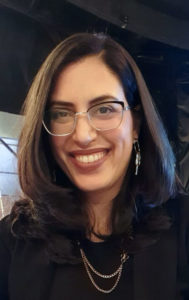
Talia verfügt über mehr als 10 Jahre Erfahrung in der IT-Branche. Sie war als Produktmanagerin, Projektmanagerin und Data Solutions Manager tätig, wo sie sich neben ihren anderen Aufgaben auf die Datenanalyse spezialisiert hat. Talia ist Expertin für verschiedene Entwicklungs- und Analysetools, darunter SQL, Python, Excel und uniPaaS.
Sie ist Dozentin an der Bar Ilan University, wo sie als Leiterin des Kurses für BI-Entwickler fungiert und auch im Kurs für Datenwissenschaft unterrichtet. Darüber hinaus ist sie Dozentin am Ono Academic College und akademische Leiterin und leitende Dozentin des Studiengangs Data Analyst an der G-Academy.
Talia hat einen B.A. in Informatik mit Wirtschaft und Management vom Academic College of Tel Aviv
F: Hallo Talia, sagen Sie uns zu Beginn, warum die Datenanalyse so wichtig ist?
Talia: "Ich sage immer, dass die Datenanalyse eine Art Superkraft in der Geschäftswelt ist! Sie ist von entscheidender Bedeutung, denn sie verwandelt Rohdaten in aussagekräftige Erkenntnisse, die eine intelligente Entscheidungsfindung ermöglichen. Stellen Sie sich vor, dass Unternehmen jeden Tag Berge von Daten erzeugen - ohne Analyse ist das nur ein großer Haufen Zahlen. Wie das Sprichwort sagt: "Datenanalyse ist das neue Öl", und genau wie Öl müssen auch Daten veredelt werden, um ihren wahren Wert zu entfalten. Datenanalysten schaffen einen immensen Wert für Unternehmen, indem sie Trends aufdecken, Abläufe optimieren und zukünftige Ergebnisse vorhersagen. Bei Wawiwa analysieren wir Daten, um das Verhalten der Schüler zu verstehen und unsere Programme zu verbessern. Das Gleiche gilt für verschiedene Branchen: Im Einzelhandel hilft die Datenanalyse bei der Optimierung des Lagerbestands und der Vorhersage der Nachfrage, im Gesundheitswesen bei der Vorhersage von Patientenergebnissen und der Verbesserung von Behandlungsplänen und im Finanzwesen bei der Aufdeckung von Betrug und beim Risikomanagement. Unterm Strich ist die Nutzung der Macht der Datenanalyse für jedes Unternehmen unerlässlich!
F: Was sind die neuesten Trends in der Datenanalyse?
Talia: "Wo soll ich anfangen... Die neuesten Trends in der Datenanalyse sind unglaublich spannend! Wir sehen einen großen Schub in Richtung Integration von KI und maschinellem Lernen, was fortschrittlichere prädiktive Analysen und die Automatisierung von Datenprozessen ermöglicht. Auch die Datenanalyse in Echtzeit gewinnt zunehmend an Bedeutung und ermöglicht es Unternehmen, sofortige Entscheidungen auf der Grundlage von Live-Daten zu treffen. Darüber hinaus liegt der Schwerpunkt zunehmend auf Datenvisualisierungstools, die die Interpretation komplexer Daten durch interaktive Dashboards und visuelle Berichte erleichtern. Ein weiterer heißer Trend ist die Big-Data-Analyse, bei der Unternehmen riesige Datensätze nutzen, um tiefere Einblicke zu gewinnen.
F: Die Nachfrage nach Datenanalysten ist enorm. Jährlich treten weniger als 10.000 Datenexperten in das Berufsleben ein, während 178.000 offene Stellen im Datenbereich auf Talente warten. Kann jeder ein Datenanalyst werden?
Talia: "Absolut, jeder kann Datenanalyst werden! Das Tolle an der Datenanalyse ist, dass man keinen traditionellen technischen Hintergrund braucht, um damit anzufangen. Allerdings kann man nicht in ein paar Tagen zum Datenanalysten werden, indem man sich einfach nur Videos ansieht; es erfordert eine strukturierte Ausbildung und viel Übung. Mit dem richtigen Training und Engagement können Sie die notwendigen Fähigkeiten erlernen und eine starke analytische Denkweise entwickeln. Das Datenanalystenprogramm von Wawiwa wurde entwickelt, um diesen Übergang reibungslos und für jeden zugänglich zu machen, unabhängig von seiner bisherigen Erfahrung. Es geht nur darum, die Neugierde zu haben, Erkenntnisse aus Daten zu gewinnen, und die Bereitschaft zu lernen."
F: Ist Datenanalyse ein Beruf oder eine Fähigkeit?
Talia: "Datenanalyse ist sowohl ein Beruf als auch eine wichtige Fähigkeit! Einerseits handelt es sich um einen spezialisierten Beruf mit Funktionen wie Data Analyst und Business Analyst, bei dem man sich ganz auf die Analyse von Daten konzentriert, um Geschäftsentscheidungen zu treffen. Andererseits sind Fähigkeiten in der Datenanalyse heute für praktisch jeden Beruf unerlässlich. Ob im Marketing, im Finanzwesen, im Gesundheitswesen oder im Produktmanagement - die Fähigkeit, Daten zu interpretieren und fundierte Entscheidungen zu treffen, ist von unschätzbarem Wert. Die Kenntnis der Datenanalyse eröffnet zahlreiche Möglichkeiten und Vorteile in allen Bereichen."
F: Können Sie uns als Leiter der Datenanalyseprogramme von Wawiwa etwas über das Umschulungsprogramm und die Weiterbildungskurse erzählen?
Talia: "Unser Datenanalysten-Programmwurde 2021 eingeführt und basiert auf der jahrelangen Weiterentwicklung von Kursen. Wir haben uns immer auf die praktische Ausbildung konzentriert und technische Fähigkeiten in MSSQL, Excel, PowerBI und Python mit analytischem Denken und Geschäftssinn kombiniert. Unser Umschulungsprogramm richtet sich an engagierte und motivierte Personen mit oder ohne technischen Hintergrund, die eine gefragte Karriere als Datenanalysten starten möchten. In nur 6-9 Monaten können die Teilnehmer berufsreif werden! Außerdem haben wir die Hauptmodule unseres Umschulungsprogramms in kürzere Module umgewandelt Weiterbildungskurse in Excel, SQL, Pythonund Power BI für diejenigen, die bereits über Vorkenntnisse verfügen und ihre Fähigkeiten ausbauen und bei ihrer derzeitigen Tätigkeit anwenden wollen".
F: Wie hat sich das Datenanalystenprogramm seit seinem Start entwickelt?
Talia: "Im Laufe der Zeit haben wir den Lehrplan kontinuierlich mit den neuesten Tools und Methoden der Branche aktualisiert, um unsere Absolventen auf die sich ständig weiterentwickelnden Anforderungen im Bereich der Datenanalyse vorzubereiten. Vor kurzem haben wir generative KI-Tools wie ChatGPT und Claude integriert. Diese Tools werden in speziellen Kursen gelehrt, in denen die Studenten lernen, sie effektiv zu nutzen, ihre Vorteile und Grenzen zu verstehen und sie in ihre Datenanalyseaufgaben einzubinden. Diese Integration hat unser Programm erheblich verbessert, da die Studierenden darauf vorbereitet werden, KI-Tools in realen Szenarien einzusetzen. Wir haben auch eine theoretische Lektion über maschinelles Lernen hinzugefügt, um die Studenten mit den Schlüsselkonzepten vertraut zu machen. Schließlich führen wir die Studierenden jetzt in das Konzept von Big Data ein, um ihnen ein grundlegendes Verständnis zu vermitteln. Mit diesen Aktualisierungen bleiben unsere Studenten auf dem neuesten Stand der aktuellen Trends und Technologien."
F: Welche Erfahrungen haben die Wawiwa-Partner in aller Welt mit diesem Programm gemacht?
Talia: "Unsere Wawiwa-Partner haben einen unglaublichen Erfolg mit unserem Datenanalystenprogramm erlebt. Viele Partner bieten das Programm bereits an, wobei jeder von ihnen das Programm auf seine eigenen Geschäftsmodelle und Zielgruppen zuschneidet. In Rumänien haben wir in etwas mehr als einem Jahr sechs Kohorten gestartet, die zu Daten- oder Business Intelligence (BI)-Analysten ausgebildet wurden. In Ecuador und Portugal werden Menschen für diese stark nachgefragten Berufe weitergebildet. Im Vereinigten Königreich wird die Ausbildung in Form einer Lehre angeboten, die Theorie im Klassenzimmer mit praktischen Praktika kombiniert. In Kanada ist es ein College-Diplom, das Studenten auf technische und geschäftliche Aufgaben vorbereitet. Japan richtet sich an Unternehmen, die ihre Mitarbeiter in den Bereichen Finanzen, Marketing und Produktmanagement weiterbilden. Auf den Philippinen liegt der Schwerpunkt ebenfalls auf dem B2B-Bereich, da die dortigen Unternehmen ihre Mitarbeiter zur Verbesserung ihrer Datenanalysefähigkeiten entsenden. Diese lokale Nachfrage zeigt die Vielseitigkeit des Programms und eröffnet auch neue B2B-Möglichkeiten für B2C-Schulungszentren."
F: Welches Feedback haben Sie von Arbeitgebern und Studenten erhalten, und wie hat es das Programm beeinflusst?
Talia: "Die Studenten haben sehr positive Rückmeldungen zu unseren Studienmaterialien, der strukturierten Vermittlung der Inhalte und dem praxisnahen Lehransatz gegeben. Wenn Studierende mehr Praxis zu bestimmten Themen oder eine Erweiterung anderer Themen wünschen, nehmen wir diese Vorschläge ernst und verfeinern das Programm entsprechend. Wir haben auch Beratungsausschüsse eingerichtet und arbeiten eng mit unseren lokalen Partnern und Vertretern aus der Industrie zusammen, um sicherzustellen, dass wir auf die lokalen Bedürfnisse eingehen und das Programm entsprechend anpassen. Auch unsere Partner haben uns positives Feedback gegeben, das die Effektivität und Relevanz unseres Programms unterstreicht. Das kontinuierliche Feedback von Studierenden und Partnern hilft uns, uns zu verbessern und die Bedürfnisse unserer Studierenden besser zu erfüllen."
F: Wawiwa konzentriert sich bei all seinen Programmen auf praktische Übungen und Projekte aus der Praxis. An welchen Arten von Projekten arbeiten die Studenten im Datenanalystenprogramm und wie entwickeln diese Projekte ihre Fähigkeiten?
Talia: "Unsere Studenten befassen sich mit realen Geschäftsproblemen wie der Optimierung der Bestandsverwaltung für Einzelhandelsunternehmen, der Festlegung von Preisstrategien für Airbnb-Vermietungen, der Verbesserung der Routeneffizienz für New Yorker Taxis, der Verbesserung der Kundenerfahrung für E-Commerce-Plattformen und der Verwaltung von Lieferketten für LEGO-Bestände. Wir verwenden öffentliche Datensätze aus diesen verschiedenen Quellen, um den Schülern zu helfen, verschiedene Geschäftsfragen zu verstehen und kritisches und analytisches Denken zu entwickeln. Sie lernen, Ergebnisse visuell zu präsentieren, ihre Präsentationsfähigkeiten zu verbessern, zwischen Haupt- und Nebenproblemen zu unterscheiden und technische Fähigkeiten im Umgang mit verschiedenen Tools zu erwerben. Durch die Arbeit an diesen realen Projekten werden die Studierenden berufsreif und gewinnen die praktische Erfahrung und das Selbstvertrauen, das sie brauchen, um sich vom ersten Tag an im Bereich der Datenanalyse auszuzeichnen."
F: Irgendwelche letzten Worte? Was würden Sie einem potenziellen Studenten empfehlen, der ein Studium der Datenanalyse in Erwägung zieht?
Talia: "Wenn Sie eine Karriere in der Datenanalyse in Erwägung ziehen, rate ich Ihnen, sich auf den Weg zu machen und zu erkunden. Das Feld wächst rasant, und es gibt so viele Möglichkeiten. Machen Sie sich keine Sorgen, wenn Sie keinen technischen Hintergrund haben; mit der richtigen Ausbildung kann jeder ein Datenanalyst werden. Und denken Sie daran: Die einzigen schlechten Daten sind keine Daten! Sie werden es unglaublich lohnend finden, die in den Daten verborgenen Geschichten aufzudecken. Außerdem haben Sie eine Superkraft, die intelligente Entscheidungen und Innovationen vorantreiben kann. Vernetzen Sie sich mit Fachleuten in diesem Bereich und bleiben Sie auf dem Laufenden über die neuesten Trends und Tools. Go for it!"
Mit Talias Leidenschaft und Fachwissen, die unser Programm vorantreiben, sind wir zuversichtlich, dass unsere Studenten gut vorbereitet und begeistert in die Welt der Datenanalyse einsteigen werden.