
Die Suche nach Ihrem ersten Job im technischen Bereich ohne Erfahrung kann sich überwältigend anfühlen. Die Jobsuche ist zwar nicht gerade das Lieblingshobby von allen, vor allem nicht für diejenigen, die wenig oder gar keine Erfahrung haben, aber die gute Nachricht ist, dass es praktische Schritte gibt, die Sie unternehmen können, um sich von der Masse abzuheben. In diesem Blog erfahren Sie, wie Sie Ihre Chancen auf eine Anstellung in der Tech-Branche erhöhen können - von der Umschulung und Weiterbildung bis hin zum Aufbau eines Portfolios und der Vernetzung.
Technik ist eine großartige Berufswahl
Die Gehälter in der Technologiebranche sind ein großer Anreiz und bieten eine wettbewerbsfähige Vergütung, die sich von anderen Branchen abhebt. In der Tat, Tech-Mitarbeiter verdienen fast doppelt so viel wie das amerikanische DurchschnittsgehaltDas macht diesen Bereich für diejenigen attraktiv, die finanzielle Stabilität und Wachstum suchen. Von Einstiegspositionen bis hin zu spezialisierten Positionen bieten Jobs in der Technik oft großzügige Sozialleistungen und die Möglichkeit, das Gehalt mit zunehmender Erfahrung und Fachkenntnis schnell zu erhöhen.
Die Tech-Branche boomt, und die Nachfrage nach qualifizierten Arbeitskräften ist größer denn je. Eines der besten Dinge an der Tech-Branche ist, dass sie Fähigkeiten über traditionelle Erfahrung stellt. 76% der Arbeitgeber verwenden irgendeine Form der kompetenzbasierten Einstellung, um neue Talente zu finden, wobei fast 55% rollenspezifische Kompetenztests verwenden. Viele Unternehmen sind mehr daran interessiert, was Sie können, als daran, wo Sie vorher gearbeitet haben. Auch wenn Sie nicht über jahrelange Erfahrung oder einen ausgefallenen Abschluss verfügen, können Sie im technischen Bereich arbeiten, wenn Sie zeigen, was Sie können. So finden selbst Autodidakten und Absolventen von Bootcamps Jobs bei großen Unternehmen, wenn sie ihre Fähigkeiten unter Beweis stellen können.
Ein weiterer Grund, warum der technische Bereich eine gute Wahl ist, ist die große Vielfalt der möglichen Aufgaben. Ob Sie sich für Programmierung, Grafikdesign, Datenanalyse oder sogar Projektmanagement interessieren, es ist für jeden etwas dabei. Sie müssen kein Hardcore-Programmierer sein, um anzufangen.
Die Technikbranche ist eine der flexibelsten und innovativsten Branchen, wenn es um die Einstellung von Mitarbeitern geht. Viele Unternehmen bieten Einstiegsprogramme, Praktika oder eine Ausbildung am Arbeitsplatz an und erleichtern so den Einstieg ins Berufsleben. Vor allem Start-ups sind oft offen für die Einstellung von Menschen mit wenig Erfahrung, aber viel Potenzial und Lernbereitschaft. Außerdem ist Remote-Arbeit in der Tech-Branche weit verbreitet, so dass Sie sich weltweit auf Stellen bewerben können, was Ihre Chancen auf einen Job erhöht. Diese Flexibilität ermöglicht es Ihnen, überall anzufangen und Ihre Karriere in die Richtung zu entwickeln, die Sie am meisten reizt.
Praktische Schritte, um Ihren ersten technischen Job zu bekommen
Der Einstieg in die Technik ist zwar möglich, aber manche Wege sind besser als andere. Wir haben einige praktische Tipps zusammengestellt, die Sie in die richtige Richtung lenken und Ihre Chancen auf einen ersten Job im technischen Bereich erhöhen.
Investieren Sie in Schulungen zur Entwicklung technischer Fertigkeiten:
Um aufgrund Ihrer technischen Fähigkeiten eingestellt zu werden, müssen Sie diese Fähigkeiten zunächst entwickeln. Sprechen Sie mit einem Berufsberater für technische Ausbildung, um herauszufinden, welche technischen Berufe Ihren Vorlieben und Ihrem Talent entsprechend für Sie in Frage kommen. Nehmen Sie dann an seriösen, monatelangen Umschulungsprogrammen teil, die Sie für diese spezielle Aufgabe schulen und Ihre Marktfähigkeit verbessern. Programme zur Umschulung sind so konzipiert, dass sie Menschen mit wenig oder gar keinem technischen Hintergrund helfen, die für gefragte technische Berufe erforderlichen Fähigkeiten zu erwerben. Diese Programme bieten oft praktische Schulungen und reale Projekte, die Ihnen praktische Erfahrungen vermitteln. Im technischen Bereich ist es in der Regel besser, eine Live-Schulung mit Ausbildern und Anleitung zu absolvieren als Online-Kurse. Wenn Sie einschlägige Schulungen und Zertifizierungen absolvieren, können Sie diese in Ihren Lebenslauf oder Ihr LinkedIn-Profil aufnehmen und Arbeitgebern zeigen, dass Sie die erforderlichen Fähigkeiten erworben haben, die in der Branche geschätzt und anerkannt werden.
Bauen Sie Ihr Portfolio auf:
Ein professionelles Portfolio sagt mehr aus als ein Lebenslauf oder eine Ausbildung im technischen Bereich. Wenn Sie zeigen, was Sie in der Praxis getan haben, können Arbeitgeber am ehesten davon ausgehen, dass Sie das Zeug dazu haben. Beginnen Sie damit, persönliche Projekte zu erstellen, auch kleine, in denen Sie Ihre Fähigkeiten unter Beweis stellen. Ganz gleich, ob es sich um eine Website, eine mobile Anwendung oder ein Datenanalyseprojekt handelt - wenn Sie den Arbeitgebern etwas Konkretes vorlegen können, ist das ein großer Schritt. Das ist Ihre Chance, Ihre Fähigkeiten unter Beweis zu stellen und zu zeigen, dass Sie tatsächlich Erfahrung haben.Ehrenamtlich oder freiberuflich:
Wenn Sie Schwierigkeiten haben, eine bezahlte Stelle zu finden, können Sie während der Arbeitssuche ehrenamtliche oder freiberufliche Dienste anbieten. Non-Profit-Organisationen, Start-ups oder kleine Unternehmen benötigen oft technische Hilfe, haben aber möglicherweise nicht das nötige Budget dafür. Wenn Sie Ihre Fähigkeiten im Tausch gegen Erfahrung und eine Empfehlung für eine gut ausgeführte Arbeit anbieten, können Sie Ihre Erfahrung ausbauen und sich in der realen Welt präsentieren. Sie könnten einer lokalen Wohltätigkeitsorganisation helfen, eine Datenbank einzurichten, eine Website zu erstellen, ein Logo zu entwerfen oder ihr digitales Marketing zu verwalten - diese Erfahrungen zählen, und sie zeigen Ihre Initiative und Vielseitigkeit. Außerdem ist es ein gutes Karma, anderen zu helfen.Online Autorität schaffen:
Das Teilen von Gedanken und Beispielen zu Ihrem bevorzugten Arbeitsbereich in sozialen Medien und auf einer persönlichen Website kann Ihre Sichtbarkeit und Glaubwürdigkeit in der Tech-Welt erhöhen. Teilen Sie regelmäßig Einblicke, Projekte oder Branchennews auf Plattformen wie LinkedIn oder Twitter, um Ihre Leidenschaft, Ihr Wissen, Ihren Verstand und Ihre Fähigkeiten zu zeigen. Wenn Sie über Ihre Lernreise berichten, Code-Schnipsel teilen oder sogar Blogbeiträge zu Themen schreiben, die Sie interessieren, können Sie sich als aktiver Teilnehmer in der Tech-Community positionieren. Wenn Sie zu einem Vorstellungsgespräch eingeladen werden, können Sie sich nicht nur als qualifizierter Mitarbeiter, sondern auch als Vordenker präsentieren, der die neuesten Branchentrends kennt.Netzwerk, Netzwerk, Netzwerk:
Networking ist der Schlüssel zu einem Job in der Technologiebranche. In vielen Fällen werden Menschen, die Sie kennen, Sie mit einem Unternehmen in Verbindung bringen, das nach Talenten sucht, oder Sie aufgrund Ihrer Interaktion selbst einstellen. Um Ihr berufliches Netzwerk zu erweitern, nehmen Sie an virtuellen Treffen, Webinaren oder lokalen Veranstaltungen teil, bei denen Sie mit Fachleuten aus der Branche in Kontakt treten können. Treten Sie Online-Communities wie LinkedIn, Reddit-Gruppen oder Discord-Servern bei, die sich mit technischen Themen befassen, die Sie interessieren. Scheuen Sie sich nicht, Menschen um Rat zu fragen oder sich auf einen Kaffee zu treffen, auch wenn es keinen konkreten Job zu besprechen gibt. Der Aufbau von Beziehungen zu anderen in der Branche kann Ihnen Türen öffnen und zu Beschäftigungsmöglichkeiten führen, die Sie sonst vielleicht nicht finden würden. Wie der berühmte Song von Pitbull sagt: "Frag nach Geld, hol dir Rat. Frag nach Ratschlägen und du bekommst doppelt Geld."Passen Sie Ihre Anwendungen an:
Wenn Sie sich um eine Stelle bewerben, achten Sie darauf, dass Ihr Lebenslauf und Ihr Anschreiben auf die jeweilige Stelle zugeschnitten sind. Heben Sie übertragbare Fähigkeiten aus früheren Erfahrungen hervor, auch wenn diese aus nicht verwandten Bereichen stammen. Wenn Sie beispielsweise Projekte geleitet oder im Kundendienst gearbeitet haben, sollten Sie Ihre Problemlösungs-, Kommunikations- und Zeitmanagementfähigkeiten hervorheben. Kombinieren Sie diese mit den technischen Fähigkeiten, die Sie durch Schulungen und Projekte erworben haben, und machen Sie deutlich, dass Sie bereit sind, sie in einer technischen Position einzusetzen.Bleiben Sie hartnäckig und lernen Sie weiter:
Die Technologiebranche entwickelt sich ständig weiter, vor allem mit Fortschritten wie der generativen KI (Gen-AI), die die Industrie umgestaltet. Auch wenn Sie eine solide Grundlage geschaffen haben, sollten Sie sich weiterbilden und mit den neuesten Trends Schritt halten. Manchmal bieten neue Tools die Möglichkeit, ein Experte in einem Bereich zu werden, in dem man noch keine Erfahrung hat. Die größten Experten auf ChatGPT und Midjourney haben nur ein paar Jahre Erfahrung! Erforschen Sie, wie neue KI-Tools in verschiedenen technischen Bereichen eingesetzt werden, und erwägen Sie, sie in Ihr Kompetenzspektrum aufzunehmen. Verfolgen Sie Branchenblogs, nehmen Sie an Programmierwettbewerben teil und erweitern Sie Ihren Lebenslauf ständig um neue Fähigkeiten. Es kann eine Weile dauern, bis Sie Ihren ersten Job bekommen, aber wenn Sie hartnäckig bleiben und Ihre Fähigkeiten ständig erweitern, wird sich das irgendwann auszahlen. Jedes Projekt und jede Verbindung bringt Sie Ihrem Ziel einen Schritt näher.Seien Sie zuversichtlich:
Bei Vorstellungsgesprächen ist Selbstvertrauen das A und O. Bereiten Sie sich vor, indem Sie das Unternehmen recherchieren, gängige Interviewfragen üben und alle Projekte oder Fähigkeiten, die in Ihrem Lebenslauf aufgeführt sind, überprüfen. Gehen Sie mit einer positiven Einstellung an das Gespräch heran - konzentrieren Sie sich auf Ihre Stärken, Ihre Lernbereitschaft und darauf, dass Sie aufgrund Ihrer Problemlösungsfähigkeiten hervorragend für die Stelle geeignet sind. Wenn Sie die Antwort auf eine technische Frage nicht wissen, seien Sie ehrlich, aber zeigen Sie, wie Sie die Lösung finden würden. Interviewer schätzen Bewerber, die einfallsreich sind und sich weiterentwickeln wollen. Vor allem aber sollten Sie eine persönliche Beziehung zu Ihrem Gesprächspartner aufbauen und ihm das Gefühl vermitteln, dass Sie ein toller Kollege wären, mit dem man zusammenarbeiten und den man in sein Team aufnehmen könnte.
Wawiwa's Wiedereingliederungs-Programme
Wawiwa ist ein globaler Anbieter von technischen Schulungen und bietet Umschulungs- und Weiterbildungsprogramme an, die auf die neuesten Branchentrends zugeschnitten sind.
Wawiwa qualifiziert Menschen ohne Vorkenntnisse für gefragte technische Berufe, wie z. B. Full-Stack-Entwickler, Cybersecurity-Analysten, Datenanalystenund UX/UI-Designer.
Die Umschulungsprogramme von Wawiwa dauern 6-9 Monate. Danach sind die Schüler arbeitsfähig und mit den für den Einstieg in die Technologiebranche erforderlichen Fähigkeiten ausgestattet. Ein wichtiges Merkmal dieser Programme sind die Bring It Together (BIT)-Projekte, die am Ende des Programms stattfinden. Während dieser Projekte wenden die Schüler alles, was sie gelernt haben, in realen Szenarien an, sammeln praktische Erfahrungen und erstellen ein vorzeigbares Arbeitsportfolio, das sie potenziellen Arbeitgebern vorlegen können.
Beispiele für BIT-Projekte

Ein Student des UX/UI-Programms entwarf eine intuitive, benutzerfreundliche mobile Anwendung.

Ein anderer Student des UX/UI-Programms erstellte eine professionelle Portfolio-Website, die seinen einzigartigen Stil zeigt.

Ein Student des Full-Stack-Developer-Programms baute eine komplette Plattform für die Verwaltung von Formel-1-Rennen auf und entwickelte sowohl die Frontend-App als auch die Backend-Datenbank.
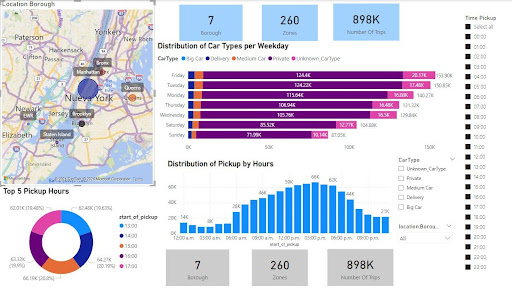
Ein Student des Datenanalystenprogramms erstellte detaillierte und aufschlussreiche Visualisierungen, um Trends bei Autoabholdiensten (z. B. Uber) zu erklären..
Am Ende des Programms haben die Teilnehmer grundlegende technische Fähigkeiten erworben und verfügen über das Selbstvertrauen und die Erfahrung, um in eine technische Rolle zu schlüpfen, selbst wenn sie keine Vorkenntnisse haben.
Die Programme von Wawiwa betonen auch wesentliche soziale KompetenzDie Teilnehmer lernen, wie man kommuniziert, im Team arbeitet und Probleme löst, was in der Tech-Branche sehr geschätzt wird. Darüber hinaus nehmen die Studierenden an HR-Workshops teil, die ihnen bei der Arbeitssuche helfen sollen, einschließlich der Erstellung von Lebensläufen, Interviewtechniken und Networking-Strategien.
Viele Unternehmen besuchen die mit Wawiwa kooperierenden technischen Ausbildungszentren und Universitäten, um Talente direkt auf dem Campus zu treffen und anzuwerben. Diese Besuche geben den Studenten die Möglichkeit, sich mit potenziellen Arbeitgebern zu vernetzen, ihre Fähigkeiten zu präsentieren und sich sogar schon vor dem Abschluss ein Jobangebot zu sichern. Das ist eine großartige Chance für Studenten, auf sich aufmerksam zu machen und ihre Karriere im technischen Bereich sofort zu starten.