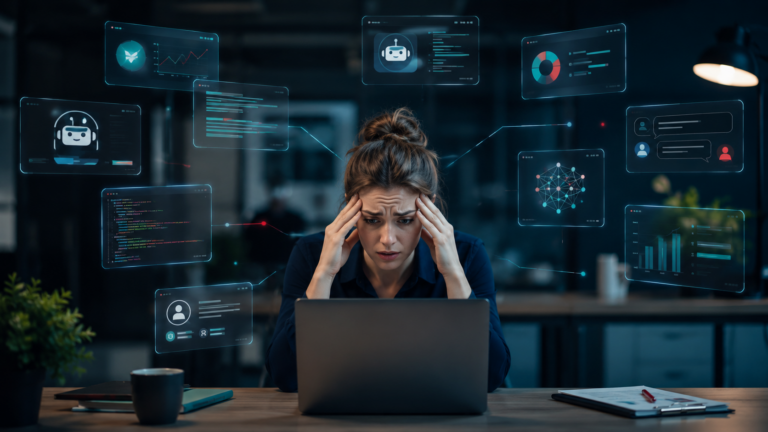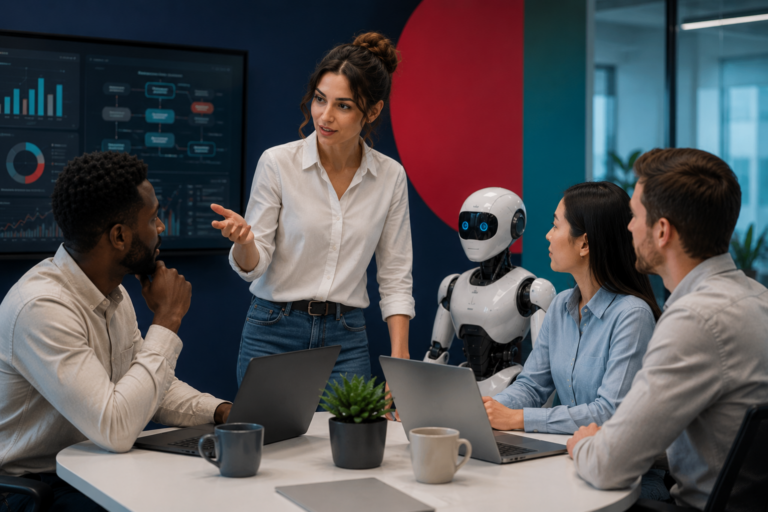
Künstliche Intelligenz verändert die Bildungslandschaft auf beeindruckende Weise. Allerdings gibt es auch ernsthafte Nachteile und Bedenken zu berücksichtigen.
Künstliche Intelligenz (KI) verschiebt die Grenzen der globalen Industrie in Richtung Zukunft. Das Gesundheitswesen, das Finanzwesen, der Einzelhandel und andere Branchen integrieren KI in den täglichen Betrieb. Der Australian Council of Learned Academics sagt voraus, dass bis 2030, KI wird einen Beitrag von $15,7Tn zur Weltwirtschaft leisten.
Zu den vielen Branchen, die diese Welle des automatisierten Wandels nutzen, gehört auch das Bildungswesen.
Personalisierte Lernpläne, vorprogrammierte Tutoren und die Beschleunigung von Bildungsprozessen sind nur einige der Lösungen, die KI hervorgebracht hat. Einen Überblick über potenzielle Anwendungsfälle für KI im Bildungswesen finden Sie in unserem erster Blog zu diesem Thema hier.
Mit großer Technologie kommt jedoch auch große Verantwortung, und wir müssen uns auch der potenziellen Risiken bewusst sein, die KI bald mit sich bringen könnte...
Kostenpflichtige Aufrüstung
Erstens ist die KI eine kostspielige Aufrüstung, die sich nicht immer lohnt und die sich nicht jeder leisten kann.
So können personalisierte KI-Plattformen und -Lösungen für Universitäten, Schulen und Ausbildungszentren Millionen kosten. in Dollar.
Bei der Analyse der Ausgaben für 2020 gaben die Unternehmen in den Vereinigten Staaten mehr als USD$300k für AI zu zahlen Lösungen. Viele Schulen haben einfach nicht die finanziellen Mittel, um fortschrittliche KI in ihren Plattformen zu implementieren. KI-Systeme werden nach wie vor eher in privaten, wohlhabenderen Schulen und wohlhabenden Gegenden eingesetzt. Dieses höhere Bildungsniveau ist nur für Schüler zugänglich, deren Familien einen hohen Status haben.
Diese Ungleichheit kann sich auf die Qualität der Bildung auswirken, die die Schüler in den verschiedenen Einrichtungen erhalten, und eine tiefere sozioökonomische Kluft fördern. Das Bildungswesen ist bereits mit mehreren Problemen der Ungleichheit konfrontiert. Wenn wir nicht darauf achten, wie diese Technologie verteilt wird, werden wir kann die wirtschaftliche Kluft weiter verstärken.
Eine "perfekte" Maschine?
KI und maschinelles Lernen werden zur Beantwortung von Schülerfragen bei Hausaufgaben bis hin zur Vergabe von Testnoten und Feedback zu Aufsätzen eingesetzt.
KI macht es jedoch nicht immer richtig. KI-Aufsatzprüfer können richtige Ausdrücke oder Sätze mit "schlechter Grammatik" markieren. Bots können so programmiert sein, dass sie MINT-bezogene Fragen von Schülern beantworten oder eine Lösung bewerten. Weicht eine Frage oder Antwort jedoch von den vorgegebenen Daten ab, können Bots möglicherweise nicht helfen oder entmutigen einen Schüler, der eine innovative, aber korrekte Antwort gegeben hat.
In Situationen, in denen die künstliche Intelligenz versagen könnte, ist nach wie vor das menschliche Urteilsvermögen gefragt, um die endgültige Entscheidung zu treffen.
Roboter unterrichten Kinder?
Der Gedanke, dass Roboter und Maschinen Lehrer ersetzen können, kann entmutigend sein. Sie ist nach wie vor ein großes Diskussionsthema im Bereich der Bildungstechnologie. In der Tat, eine Konferenz 2019 die von der Generalversammlung der Vereinten Nationen und der UNESCO veranstaltet wurde, konzentrierte sich auf die Beantwortung der Frage "Wo passt Künstliche Intelligenz ins Klassenzimmer?". Die Podiumsgäste kamen zu dem Schluss, dass weitere Studien durchgeführt werden müssen, bevor die KI-Technologie in großem Umfang im Klassenzimmer eingesetzt werden kann.
Die künstliche Intelligenz spielt eine wichtige Rolle bei der Beschleunigung von Informationen und der Beschleunigung des Lerntempos. Die starke Abhängigkeit von Überstunden mit sofortigem Feedback, personalisierten Lernspielen und Software, die einem ganze Lektionen beibringt, kann psychologische Veränderungen bei Kindern bewirken.
Darüber hinaus kann eine starke Abhängigkeit von der KI dazu führen, dass wichtige soziale Interaktionen mit Lehrern und Mitschülern verloren gehen und die emotionale Entwicklung beeinträchtigt wird. Das Erlernen sozialer Signale und die Zusammenarbeit mit Menschen mit unterschiedlichem Hintergrund kann nicht so effektiv erfolgen, wenn die KI eingreift.
Technologieführer haben sogar die Idee des maschinellen Lernens und der künstlichen Intelligenz (KI) selbst ins Spiel gebracht, was zu polarisierenden Meinungen geführt hat. Elon Musk, Gründer von Top-Unternehmen wie Tesla und PayPal, lobt den Einsatz von KI, warnt aber die Geschwindigkeit der Bereitstellung. Er glaubt tatsächlich, dass die Ergebnisse von "The Terminator" Realität werden können, wenn wir nicht aufpassen. Selbst Bill Gates, CEO von Microsoft, vergleicht die KI mit der Atomenergie - vielversprechend und gefährlich zugleich.
Viele befürchten, dass maschinelles Lernen zu negativen und unvorhersehbaren Folgen führen kann, wenn es nicht reguliert wird. Wenn man dies auf das schulische Umfeld überträgt, wird es noch besorgniserregender.
Wellen der Arbeitslosigkeit
Und schließlich trägt die KI in hohem Maße dazu bei, dass Menschen ihren Arbeitsplatz verlieren. Allein in den Vereinigten Staaten werden durch KI und Automatisierungsprozesse voraussichtlich bis zu 73 Millionen Arbeitsplätze bis 2030. Da die KI-Technologie immer präziser und maßgeschneiderter für das Bildungswesen wird, könnten verschiedene Funktionen bald überflüssig werden.
Lehrer, Verwaltungsangestellte, Sekretärinnen und sogar nichtpädagogisches Personal werden ihren Arbeitsplatz verlieren, was zu einem intensiven Schneeballeffekt führt. Hart arbeitende Menschen werden in finanzielle Bedrängnis geraten. Kinder könnten ihr Dach über dem Kopf und ihr Essen auf dem Tisch verlieren. Lehrer werden unter Umständen unter Druck umgeschult, ohne die notwendigen Fähigkeiten wirklich zu erwerben. Die Schüler werden auf grundlegende menschliche Interaktion verzichten müssen. Das Bildungswesen wird nie wieder dasselbe sein.
Beseitigung von KI-Bedenken
KI bietet zahlreiche Möglichkeiten, um Bildung zugänglich und spannend zu machen! Da wir uns jedoch darauf einstellen, KI und Maschinen in die Bildung zu integrieren, müssen wir vorausschauend die richtige Kombination aus Technologie und menschlichem Lernen finden.
Der Schlüssel zu einem erfolgreichen Einsatz von KI im Bildungsbereich liegt in einer gründlichen Planung und einer konsequenten Regulierung. Noch bevor Systeme in Grundschulen oder Studiengängen eingesetzt werden, sollten KI-Fachleute und Experten für maschinelles Lernen die Bedürfnisse ihrer Kunden in den Vordergrund stellen. Sie müssen auch mehrere Schritte voraus sein und Lösungen für Probleme finden, die noch gar nicht aufgetreten sind. Ein gut konzipiertes und sorgfältig durchdachtes System in Verbindung mit routinemäßiger Wartung stellt sicher, dass die KI-Systeme ordnungsgemäß funktionieren.
Außerdem müssen wir unser Verständnis von künstlicher Intelligenz ändern. Sie ist ein Werkzeug und nicht das Ziel. Die Entwickler von Lehrplänen sollten sich darauf konzentrieren, wie KI die Bildung verbessern kann, anstatt sie auf das Spielfeld der Bildung zu zwingen, wo sie nicht erwünscht ist.
Durch die Arbeit mit Versuch und Irrtum sowie das Feedback von Schülern und Schulmitarbeitern können KI-Systeme kontinuierlich verbessert werden und die Erfahrungen der Schüler verbessern.
Es wird viel darüber diskutiert, inwieweit wir KI und Technologie in unser tägliches Leben integrieren. Es ist eine beängstigende Sache, Vertrauen in Computer und Code zu setzen, anstatt in Lehrer und Verwaltungsangestellte. Wenn wir jedoch behutsam vorgehen, haben wir das Potenzial, das bisher effizienteste Mittel der Bildung zu eröffnen.
Falls Sie unseren ersten Blog zu diesem Thema noch nicht gelesen haben, Lesen Sie hier.