In einem kürzlich veranstalteten Webinar von IVETA Global und Wawiwa Tech diskutierten wir die transformative Rolle der generativen KI in der Bildung - insbesondere in der beruflichen Aus- und Weiterbildung (TVET). Einige der Themen, die wir untersuchten, waren der Einfluss von KI auf die Erwachsenenbildung, die erforderlichen KI-Fähigkeiten für Pädagogen, die Vorteile von KI für Schüler und die KI-Tools, die Pädagogen kennen müssen.
Sehen Sie sich jetzt die Aufzeichnung des Webinars an!
Die Redner

Dominic Slauson, Designer für Lernerfahrungen an der University of California, Irvine.
Dominic hat sich in verschiedenen Rollen im Bildungsbereich engagiert, vom Lehrtechnologen bis zum Online-Fakultätsentwickler. Seine bemerkenswerten Beiträge zum Einsatz von KI in der Pflegeausbildung in Kombination mit seinem akademischen Hintergrund und Zertifizierungen von angesehenen Organisationen wie Google und Quality Matters machen ihn zu einer Autorität bei der Schaffung von gleichberechtigten Lernerfahrungen auf verschiedenen Plattformen.

Oded Israeli, CMO bei Wawiwa Tech.
Wawiwa schult die Welt in Sachen Technologie um. Mit mehr als zwei Jahrzehnten Erfahrung in verschiedenen Tech-Sektoren bringt Oded Wawiwa Einblicke in die Anpassung von KI-gesteuerten Veränderungen in Strategie, Marketing und Geschäftsabläufen mit. Oded war an NASDAQ-gehandelten Tech-Unternehmen und an Startups beteiligt, die an Tech-Giganten verkauft wurden. Er hat einen MBA von INSEAD und einen LL.M. von der Universität Tel Aviv.
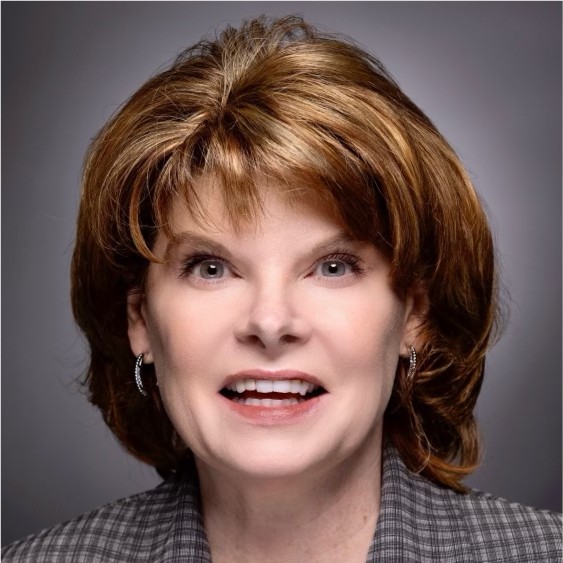
Moderatorin: Dr. Julie Furst-Bowe, Vizepräsident für akademische Angelegenheiten bei Arkansas Tech University und Herausgeber von IJVET, der Zeitschrift der IVETA.
Julie ist eine erfahrene Beraterin und leitende Angestellte im Hochschulbereich. Sie ist eine geschätzte Fulbright-Spezialistin, die seit mehr als 20 Jahren an der Spitze verschiedener Universitäten und Bildungskommissionen steht.
Generative AI in der Erwachsenenbildung
Die generative KI entwickelt sich zu einer transformativen Technologie, die ganze Branchen umgestaltet, darunter auch die Erwachsenenbildung. Diese Innovation bringt neue pädagogische Methoden hervor und verändert grundlegend, wie wir Lernen und Unterricht wahrnehmen. Herr Slauson sagte auf dem Webinar Folgendes: "Die KI verändert die Art und Weise, wie wir denken, lernen und lehren. Als Pädagogen haben wir die Pflicht, die Macht der KI zu verstehen und sie auf ethische und verantwortungsvolle Weise zu nutzen. Auf diese Weise können wir unseren Unterricht revolutionieren und den Schülern die echten und wirkungsvollen Lernerfahrungen bieten, die sie für ihren zukünftigen Erfolg brauchen."
Bei der Einbindung von generativer KI in das Bildungsparadigma geht es nicht nur um Automatisierung oder Effizienz. Es geht um die Gestaltung komplexer, immersiver Lernerfahrungen. Mithilfe von KI können Pädagogen Kurs- und Unterrichtsmaterialien, visuell ansprechende Grafiken, Tests sowie umfassende und persönliche Beurteilungen erstellen - manchmal innerhalb weniger Minuten. Solche Verbesserungen sind besonders wertvoll in der Berufsausbildung und der Erwachsenenbildung, wo die Anwendung realer Fähigkeiten im Vordergrund steht.
Über das Kursmaterial hinaus erstrecken sich die Möglichkeiten der KI auch auf den Bereich der Bewertung. Pädagogen können nun KI einsetzen, um detaillierte Rubriken zu erstellen, die sorgfältig auf die Lernziele abgestimmt sind. Ein Beispiel, das auf dem Webinar vorgestellt wurde, war die Erstellung einer ausführlichen Pflegefallstudie. Diese umfasste nicht nur textliche Szenarien, sondern wurde auch mit realistischen Patientendaten, Krankengeschichten, Vitalwerten, Entscheidungspunkten und sogar Bildern von (fiktiven) Patienten angereichert. Solche detaillierten, realitätsnahen Simulationen sind eine wahre Fundgrube für die Lernenden, denn sie bieten ihnen authentische, praxisbezogene Lernerfahrungen.
Auch wenn die Möglichkeiten endlos scheinen, ist es unerlässlich, sich diesem technologischen Wunderwerk mit Vorsicht und Verantwortung zu nähern. Pädagogen und Institutionen müssen der KI-Kompetenz Priorität einräumen. Wenn sie die Stärken und Grenzen der KI verstehen, können sie ihre Möglichkeiten nutzen und gleichzeitig mögliche Fallstricke vermeiden. Die Zukunft lädt Pädagogen dazu ein, KI in ihre Praxis zu integrieren und gleichzeitig den Lernenden das Wissen und die Neugierde zu vermitteln, solche Werkzeuge selbst verantwortungsbewusst zu nutzen.
Bekämpfung der Qualifikationslücke: Die Rolle der KI in der Berufsbildung
Die sich rasch entwickelnde technologische Landschaft hat ein dringendes Problem ans Licht gebracht: die globale Qualifikationslücke. Die Universitäten, die einst die Hauptakteure beim Aufbau von Wissen waren, kämpfen nun damit, mit den raschen Veränderungen im Technologiesektor Schritt zu halten. Infolgedessen befinden sich viele Absolventen in einem Paradoxon - sie einen Hochschulabschluss haben, aber nicht über die notwendigen Fähigkeiten verfügen, um einen Arbeitsplatz zu finden in der Industrie. Bei dieser Herausforderung erweist sich die Berufsbildung als wirksames Mittel. Sie verspricht, gezielte Qualifikationen zu vermitteln, die für reale Arbeitsplätze relevant sind, und die Lernenden in die Lage zu versetzen, die unmittelbaren Anforderungen von Arbeitgebern und der Industrie zu erfüllen. Studien prognostizieren, dass 50% der weltweiten Arbeitskräfte bis 2025 umgeschult oder weitergebildet werden müssen, was die Bedeutung von Berufsbildungsprogrammen unterstreicht. Oded Israeli von Wawiwa Tech teilte seine persönliche Überzeugung, dass angesichts der explosiven Umwälzungen durch die generative KI 100% der Arbeitnehmer - jeder Einzelne von uns - sich jetzt weiterbilden müssen, um zu verstehen, wie die generative KI ihnen bei ihren Aufgaben helfen kann, denn Menschen, die sich mit KI auskennen, werden Menschen ersetzen, die das nicht tun, und einige Arbeitsplätze gehen bereits jetzt durch KI verloren.
Die Möglichkeiten der KI sind weitreichend: Während ChatGPT seine Fähigkeiten durch die Generierung von Text auf der Grundlage vorgegebener Eingabeaufforderungen unter Beweis stellt, erstellt Midjourney auf Anfrage maßgeschneiderte Bilder und macht damit die Bildbeschaffung im Internet überflüssig. Innerhalb von zwei Monaten nach seiner Veröffentlichung Ende 2022 hatte ChatGPT bereits 100 Millionen aktive Nutzer, was seinen kometenhaften Aufstieg und seine Akzeptanz unterstreicht, und bedient derzeit viele hundert Millionen weitere Nutzer.
Wie bei allen leistungsfähigen Werkzeugen wirft auch der Einsatz von KI im Bildungsbereich eine Reihe von ethischen Fragen auf. Zunächst einmal erzeugt die generative KI manchmal falsche Daten, auf die man sich nicht verlassen kann. Eine Überprüfung der Fakten ist immer angebracht, vor allem, wenn es um Bildung geht. Es gibt Bedenken hinsichtlich der inhärenten Voreingenommenheit von großen Sprachmodellen (Large Language Models, LLMs) wie ChatGPT, die sich aus den ihnen zugrunde liegenden Datensätzen ergeben, die aus menschlicher Sprache und Internetinformationen extrahiert werden. Auch Midjourney weist solche Verzerrungen auf, da es oft Inhalte erstellt, die gesellschaftliche Stereotypen widerspiegeln.
Abgesehen von der Voreingenommenheit besteht ein konkretes Risiko von versteckten Plagiaten. Der mögliche Missbrauch von KI durch Schüler zur Erstellung erfundener Inhalte verkompliziert die Situation zusätzlich. Daher müssen sich Pädagogen der potenziellen Fallstricke von KI bewusst sein. Die Förderung von KI-Kenntnissen, die Förderung eines verantwortungsvollen Umgangs mit KI und ein menschenzentrierter Ansatz im Umgang mit KI-Tools werden entscheidend dazu beitragen, dass die digitale Zukunft der beruflichen Bildung stark, gerecht und ethisch einwandfrei bleibt.
Schlussfolgerung: Das Potenzial der KI in der Berufsbildung nutzen
Die transformative Welle der künstlichen Intelligenz in der Bildung, die wir in unserem Webinar besprochen haben, birgt sowohl Versprechen als auch Herausforderungen. Generative KI mit ihrer Fähigkeit, pädagogische Methoden neu zu definieren, verändert nicht nur unsere Herangehensweise an das Lernen und Lehren. Sie positioniert sich auch als zentrales Instrument zur Überbrückung der globalen Qualifikationslücke und macht die Ausbildung für Menschen in Entwicklungsländern zugänglich, da sie für jeden über natürliche Sprachbefehle zugänglich ist. Wie Oded Israeli auf dem Webinar bemerkte: "Menschen, die KI nutzen, werden Menschen ersetzen, die keine KI nutzen, und zwar lange bevor Roboter uns alle ersetzen werden." Es ist wichtig, dass sich Lehrende und Lernende gleichermaßen mit KI-Tools auseinandersetzen, um sicherzustellen, dass sich unsere Bildungssysteme anpassen und weiterentwickeln.